It has been four months since I completed my internship in Washington, and nearly a year since the whole adventure began. I still remember sitting in front of my computer when I received the acceptance letter, staring at the screen longer than necessary because part of me immediately thought it had to be a mistake. A joke. A scam, even. I could not believe that among so many qualified, talented and intelligent people, they had chosen me.
Even after receiving the acceptance, and in the weeks leading up to the internship, there was still a quiet fear inside me that they had made a mistake, that somehow I had been notified by error. It sounds irrational when written down, but doubt has a strange way of settling in as if it belongs there.
But once I arrived, that fear shifted. I no longer thought they had chosen the wrong person. Instead, a different kind of doubt took its place. I started to wonder if I was going to do a good job. If I was going to be enough. If maybe I had oversold myself without realizing it. The imposter syndrome didn’t disappear, it grew, it changed shape, it became quieter but stronger, more internal. Less about them being wrong, and more about me having to prove that they weren’t.
And yet I remember catching myself in that thought and asking something I should probably ask myself more often: why am I always so willing to believe they made a mistake? Why is it easier at times to imagine error than merit? Am I not also qualified? Have I not also worked, doubted, sacrificed, learned, failed, and kept trying?
It bothers me when I become small in my own mind.
Still, I packed all of it with me. The doubt. The fear. The anxiety of leaving home. The sadness of distance. I took them because by now I know courage is rarely the absence of those things. Sometimes it is simply deciding they are coming with you, but they do not get to decide for you.
Leaving home affected me more deeply than I expected. Not because I had never left before, but because there is something very particular about leaving when the place you are going carries so much weight in your mind. It was not simply travel. It felt like entering a world I had known through books, museums, documentaries and conversations, but never through my own body.
And yet once there, life became ordinary very quickly in the most human way: learning train routes, buying groceries, understanding how silence feels in a different city, learning where to walk when your mind is too full, learning how the light changes in streets that are not yours.
There were moments when I felt deeply out of place, not because anyone made me feel unwelcome, but because I became aware of how much of me belongs to another rhythm. Another geography. Another way of speaking and observing. At times I felt divided between fascination and distance, wanting to absorb everything around me while also feeling how much of me remained elsewhere.
And yet what I remember most clearly is that kindness appeared exactly when I needed it.
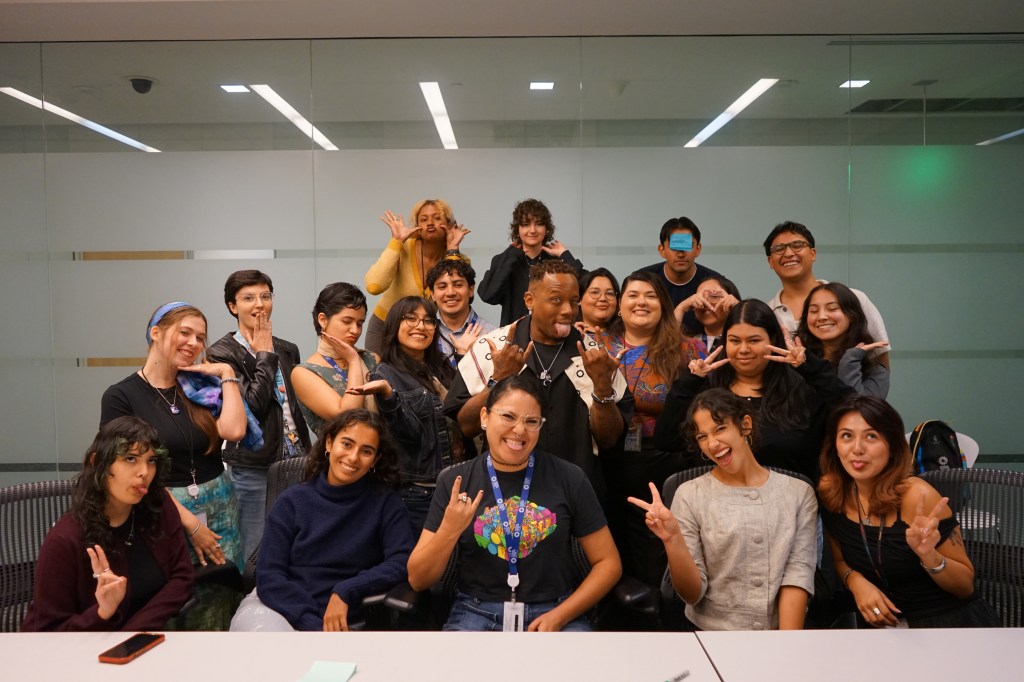
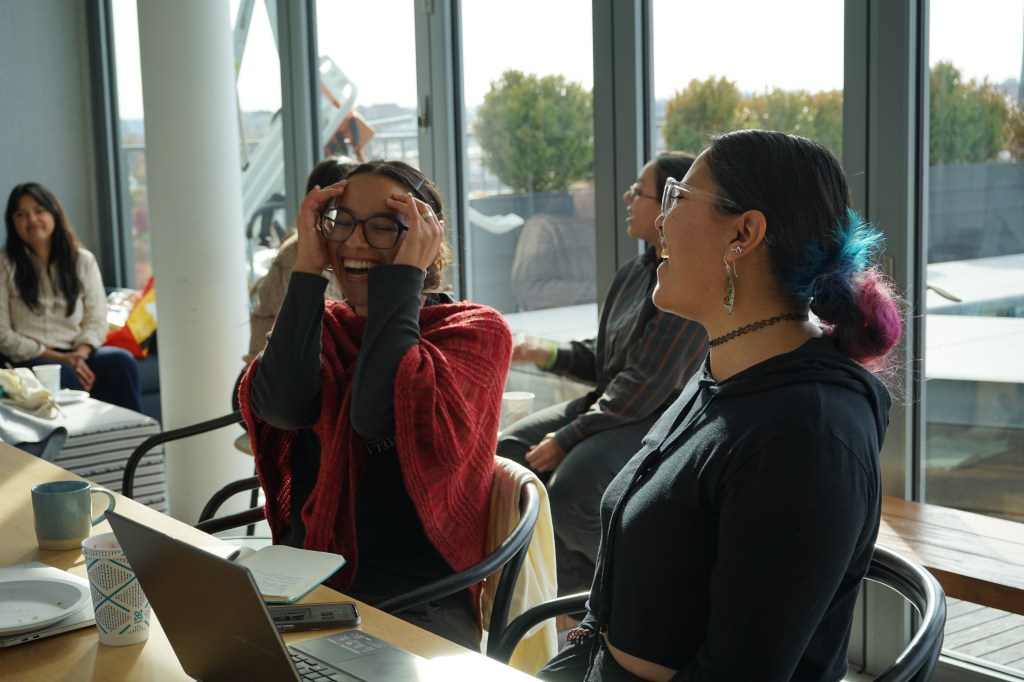
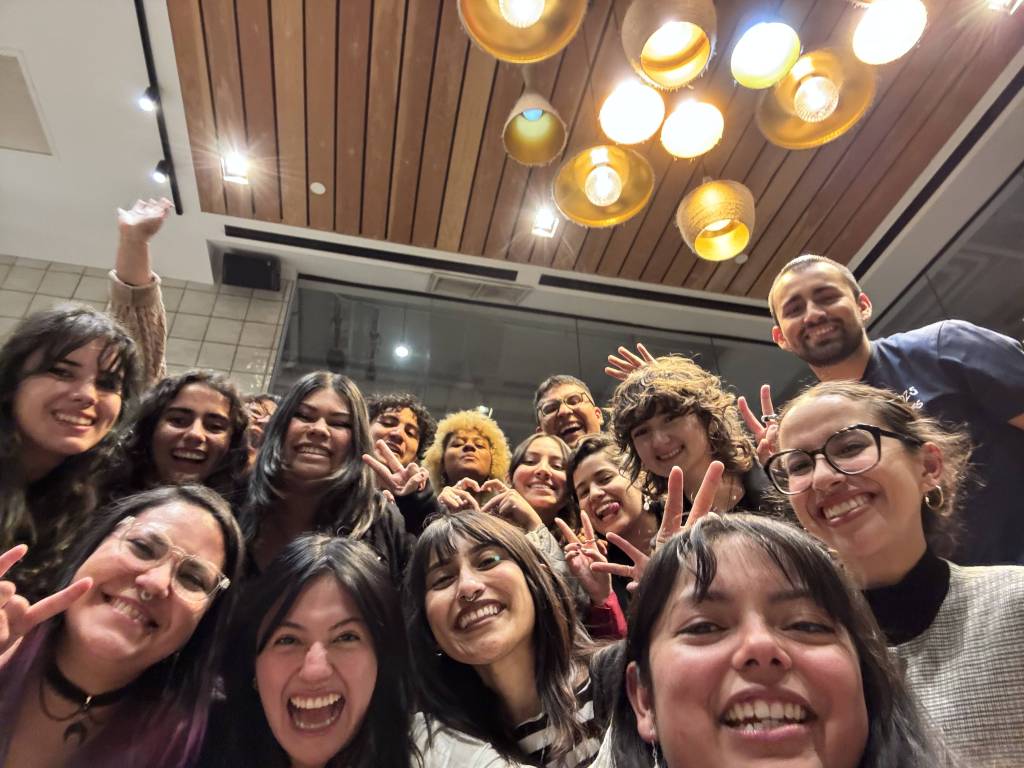
My roommates, who at first were simply unfamiliar people sharing a temporary space, became part of what made that experience gentle instead of lonely. The people I met there, the friendships that formed through small conversations, shared meals, long walks, jokes, tired afternoons and simple moments, became part of what held that time together for me.
In many ways, they reminded me of my art school peers. The same kind of closeness that forms when you are all navigating uncertainty together: worry, doubt, even skepticism about yourselves and the paths you are choosing. There is something about that kind of shared vulnerability that creates bonds that feel almost like being brothers in arms. You confront things together, even if each person is going through something slightly different.
And maybe that is what makes those connections so strong. Even if they are temporary in time, they do not feel temporary in impact. They stay with you. Sometimes longer than you expect. Sometimes forever.
They reminded me that even when one feels misplaced, warmth can still create a kind of temporary belonging.
There were days when I missed home so intensely that the ache surprised me. I missed my husband. I missed my mother. I missed my family and friends. I missed familiar voices, the dryness of the desert, the colors of the Southwest, even the way evening feels back home. I missed the strange comfort of knowing exactly where I belonged in a room without having to think about it.
But I must admit something: I needed that distance.
Because it was through being away that I understood home differently.
I needed to be far enough to see what had always been too close to examine. I needed to hear other accents to understand my own. I needed to explain where I came from to people who had never stood near the border, so I could understand how much that place had shaped the way I think, speak, and move through the world.
For a long time, identity felt like a word other people used more easily than I did. A word that often arrived loaded with categories I never fully knew how to inhabit. But there, far from home, I understood something that had always been quietly true: that growing between two languages, two cultural currents, two ways of naming and interpreting life, had given me something I had failed to recognize because it had always seemed ordinary to me.
I had to travel nearly two thousand miles to understand that being fronteriza was never an accident of geography. It was a way of perceiving. A way of constantly translating, adjusting, observing, and existing between worlds without fully surrendering to only one.
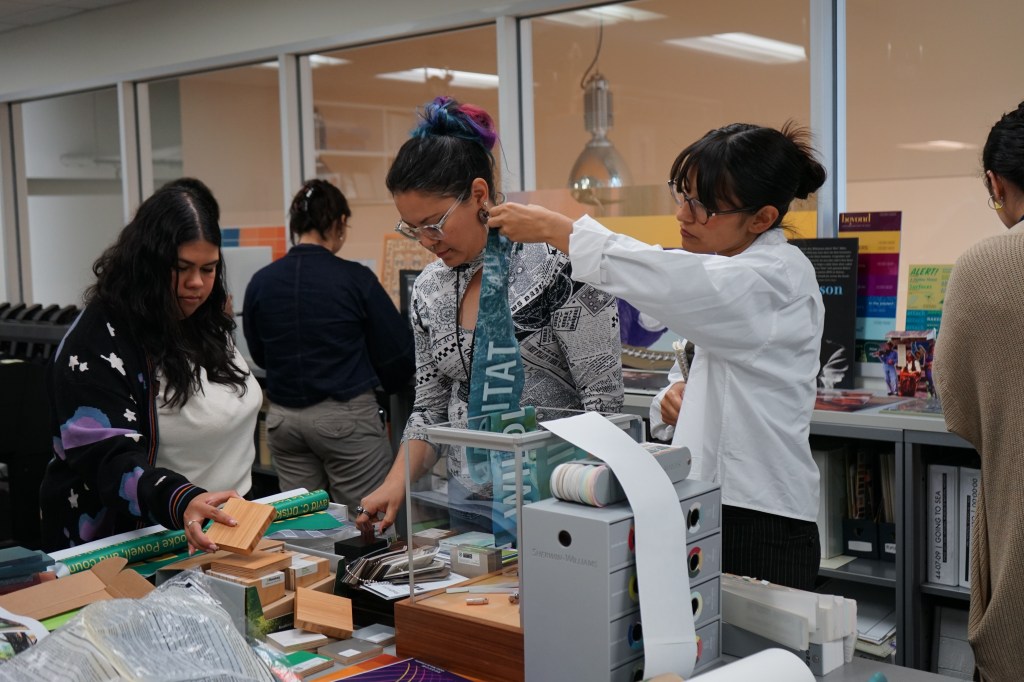
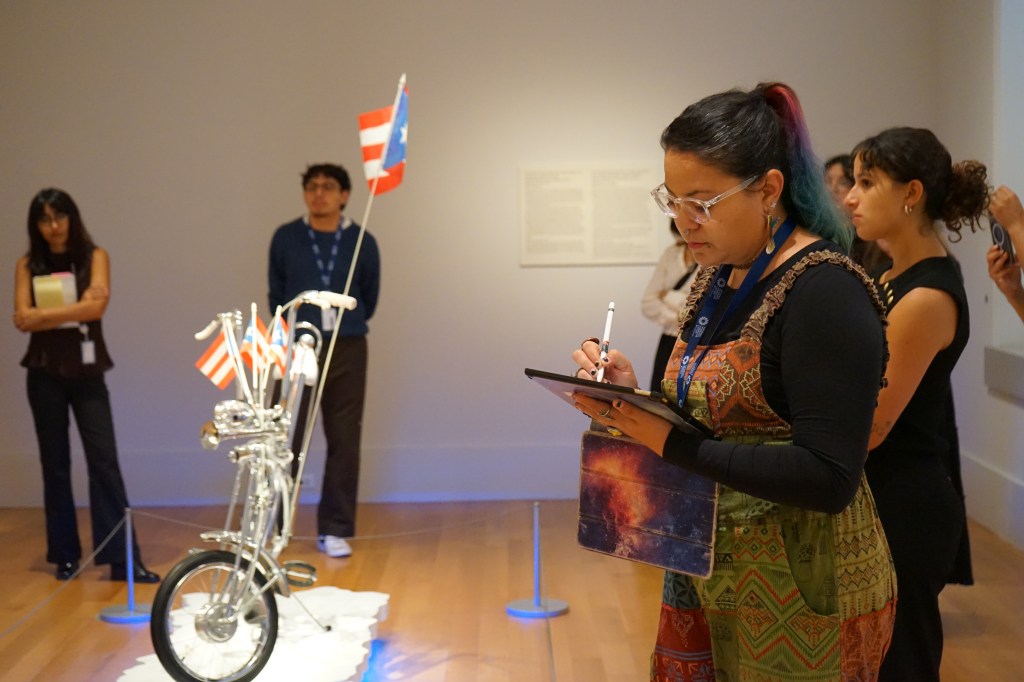
Through this internship I learned technical things, yes. I learned institutional language, museum structures, processes, responsibilities, and the immense invisible labor behind cultural preservation. But what stayed with me most was not only professional knowledge.
It was understanding museum spaces differently.
I thought often about how many children grow up without any real relationship to museum spaces. How many adults never develop one either.
For me, that was not an abstract idea. Growing up, museums were never really part of my life, not because I did not want them to be, but because they were simply out of reach. Sometimes financially, sometimes because of time, sometimes because the possibility itself was not fully visible to us.
My mother always loved to learn, and in many ways that is where my curiosity comes from. But those spaces were not part of our everyday reality. They existed somewhere else. Occasionally, we encountered them while traveling, and I remember being fascinated by them (especially learning about Mexico and its Mesoamerican cultures) but back home, they were not something I had access to.
Because of that, I did not grow up seeing museums as spaces I belonged in. They felt distant, almost imagined.
And maybe that is why, during this experience, I could not stop thinking about access. About how many people grow up without ever forming a relationship to these spaces, and how much that absence quietly shapes the way they understand history, culture, and even themselves.
Because museums, when they work well, do not simply display history; they allow people to imagine themselves within larger human narratives.
And perhaps equally important was understanding that while I had arrived thinking this experience would mainly teach me about museums, it also taught me about myself—about what I long for, what unsettles me, what I carry, what I protect, and what parts of me remain inseparable from the places and people that formed me.
Washington will always remain for me a kind of artificial home. A place borrowed in time, but deeply tied to a version of myself I did not know was there.
It was in that quietness, in that loneliness, that I found parts of Flor I had never met before. A Flor I did not know could exist. A Flor I hope I never forget, because it was through that distance that I understood more clearly the meaning of my home, of my identity, and of the life I have been building without always noticing it.
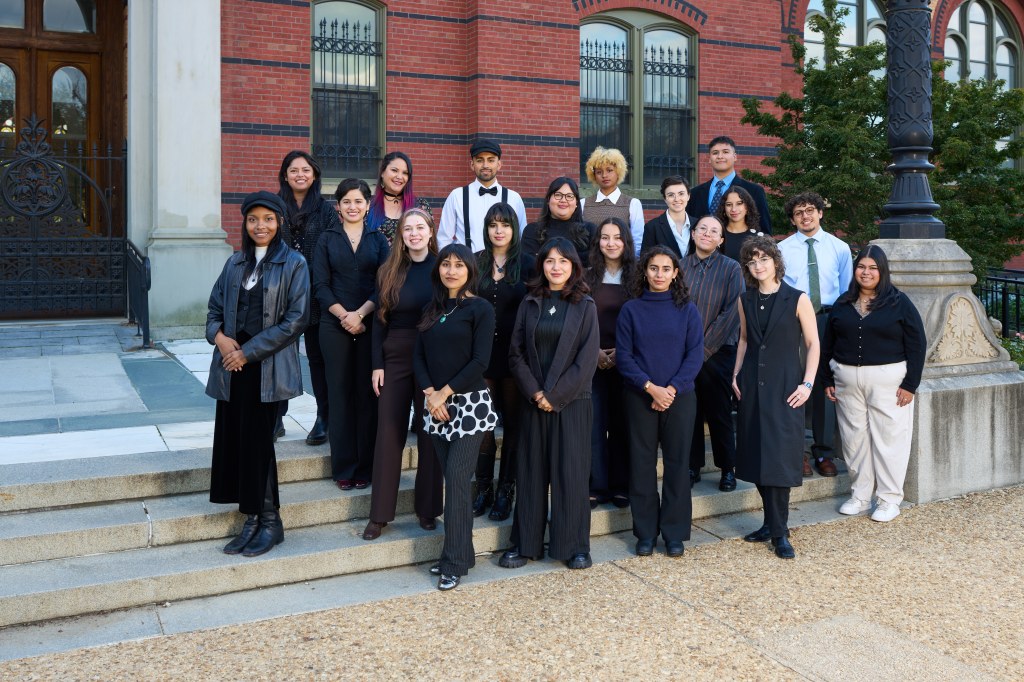
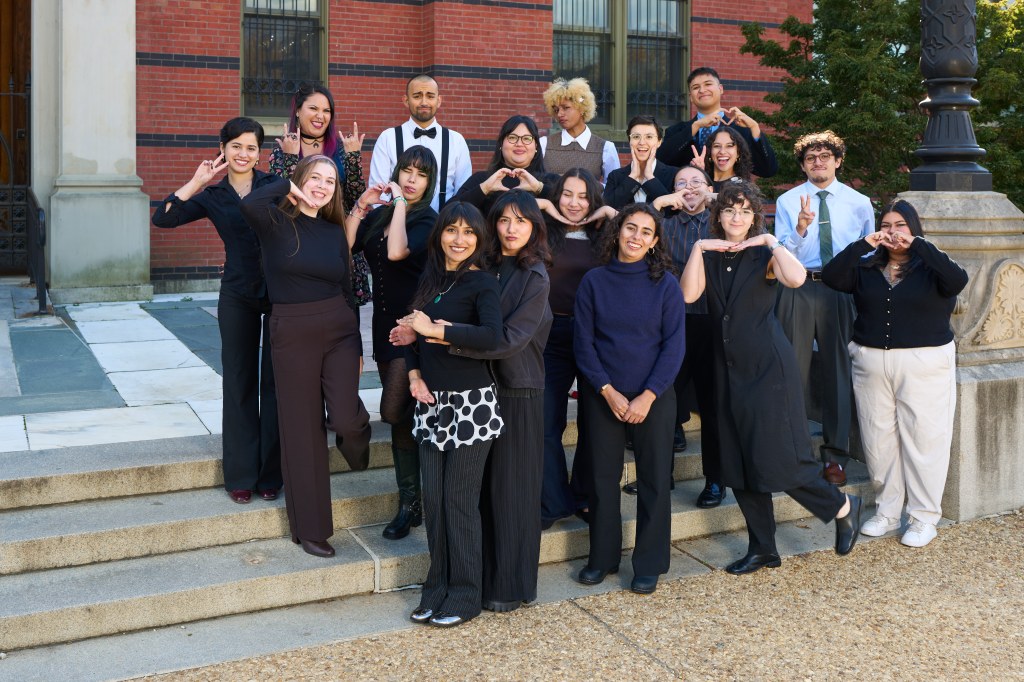
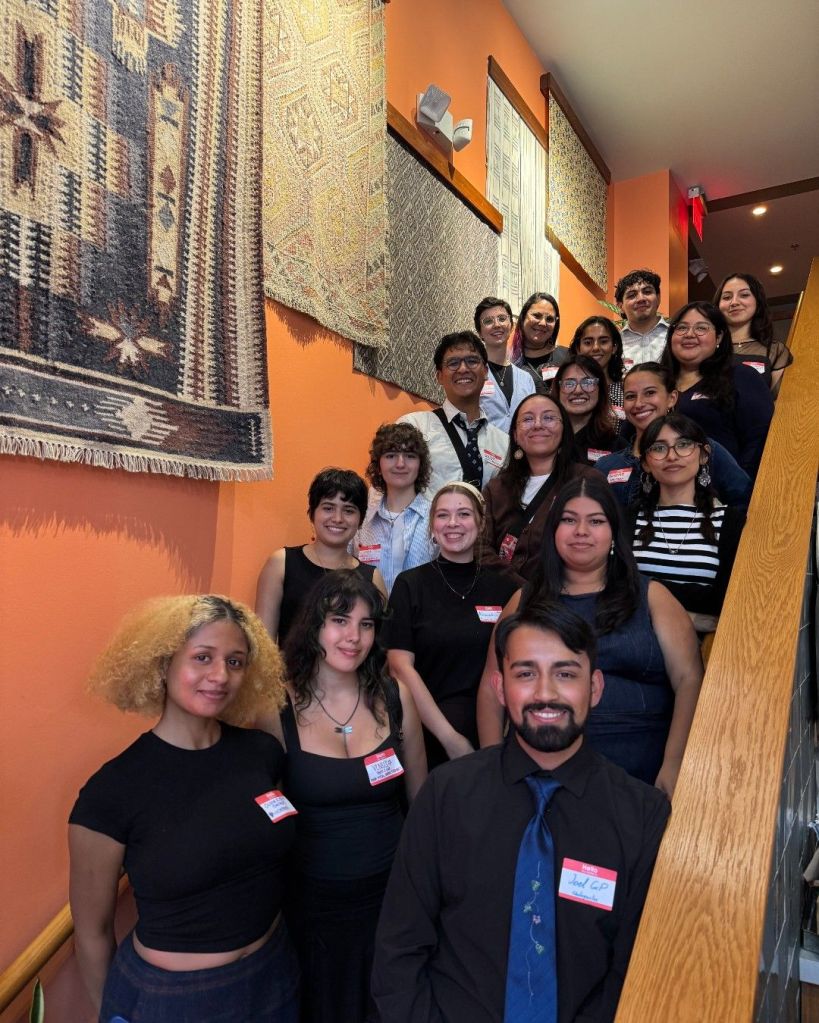
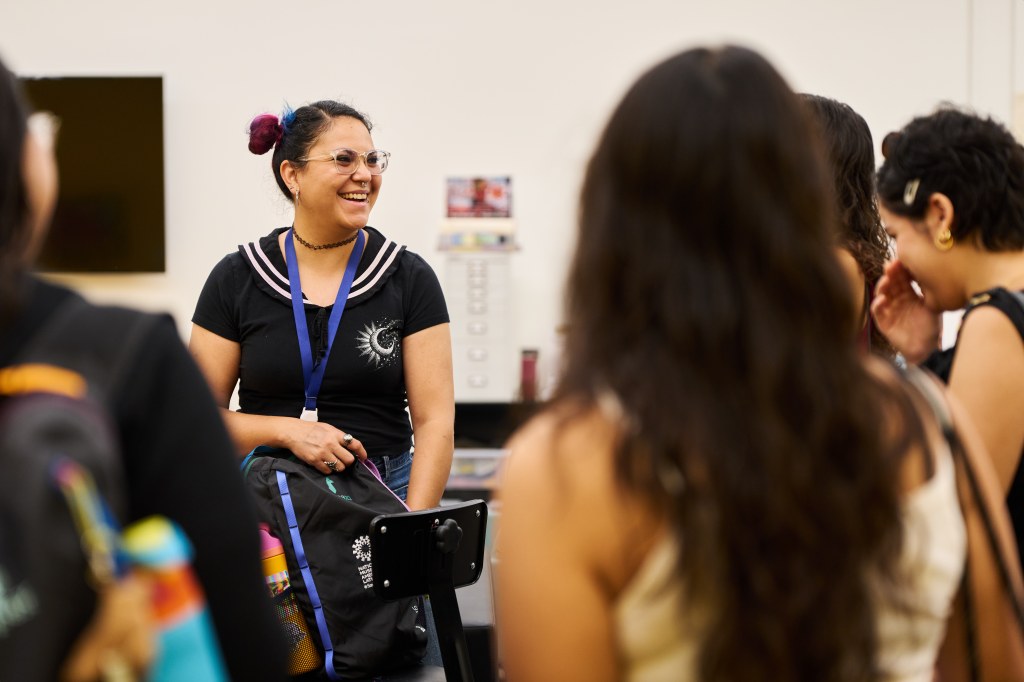
Photo credit: NMAL Smithsonian Institution.
 Flor Fabela
Leave a comment